
We help you understand your Battery Waste EPR obligations, assess your exposure across battery categories and build a practical plan for recycling targets and EPR certificates.
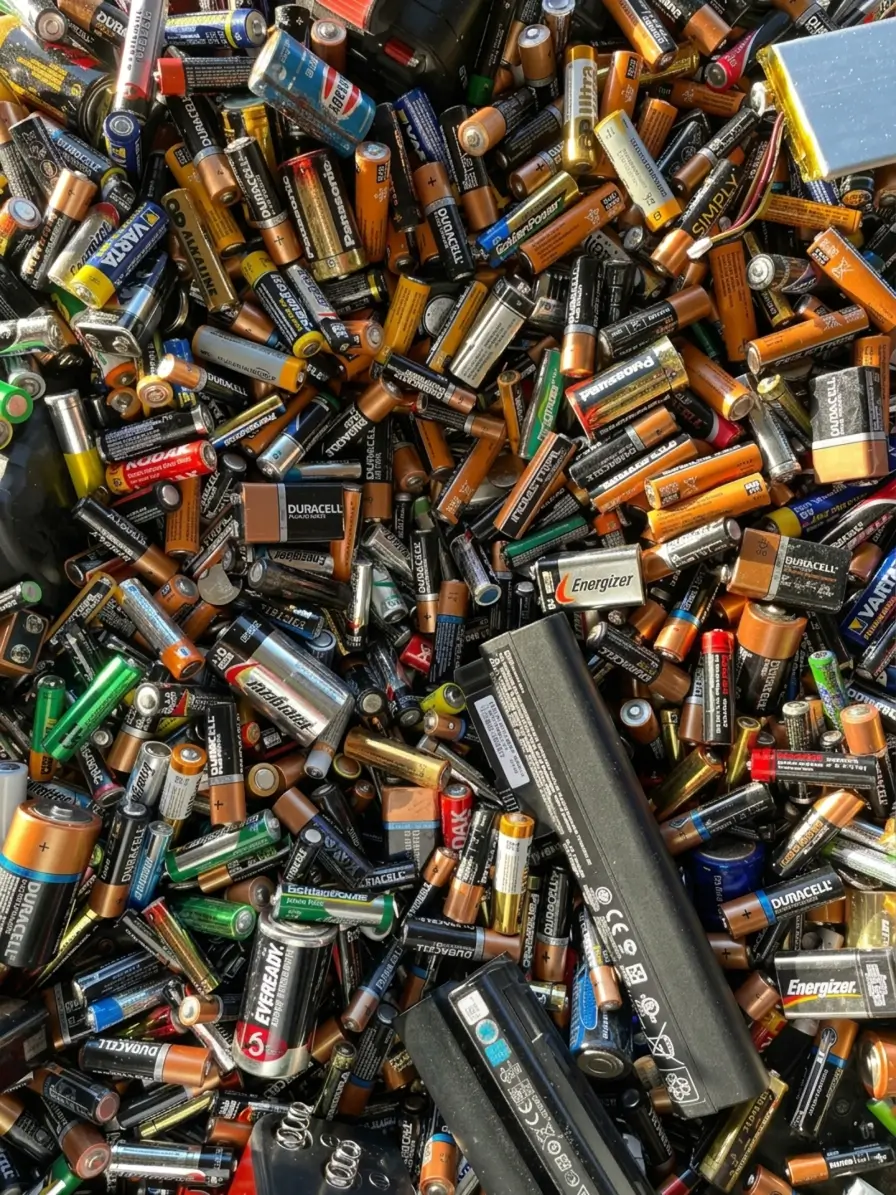
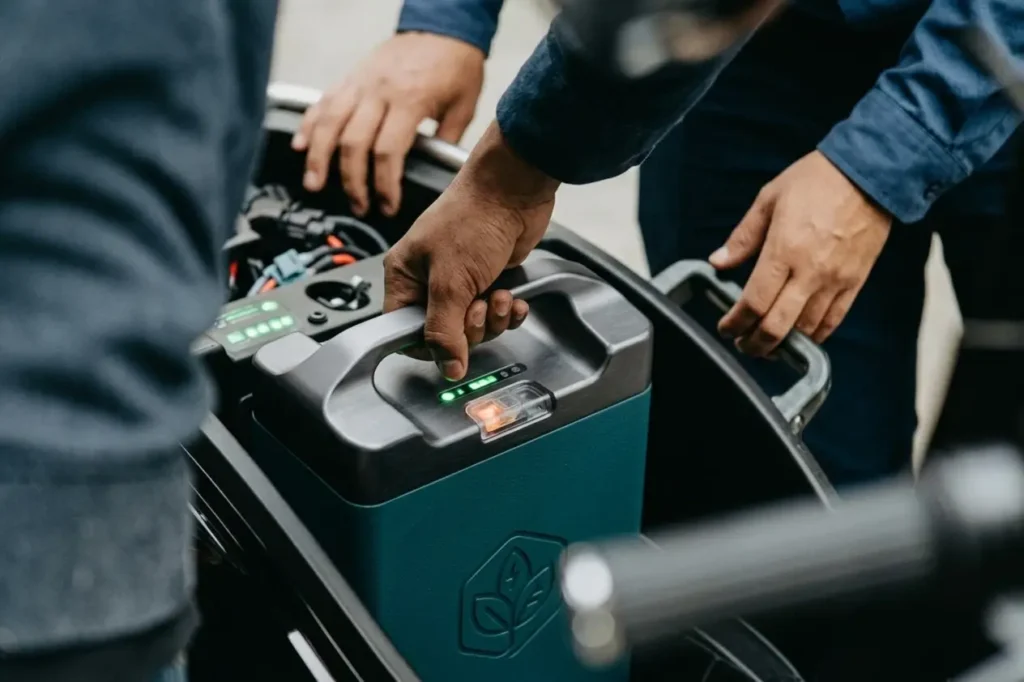
Battery Waste Extended Producer Responsibility (EPR) makes eligible businesses responsible for the environmentally sound management and recycling of batteries placed in the Indian market. The Battery Waste Management Rules, 2022 introduced a structured EPR framework covering battery producers and different battery categories.
Mrinarya Solutions helps businesses manage their Battery Waste EPR requirements, from applicability and regulatory pathway to target planning, authorised recycler coordination, EPR certificate management, reporting, and ongoing compliance.
The Ministry of Environment, Forest and Climate Change (MoEFCC) frames and amends the Battery Waste Management Rules and establishes the broader regulatory framework.
The Central Pollution Control Board (CPCB) manages the Battery EPR portal, producer registrations, EPR targets, reporting requirements, and compliance monitoring.
State Pollution Control Boards (SPCBs) support state-level implementation, inspections, enforcement, and coordination with relevant collection and recycling entities.
Battery Waste EPR operates through a regulatory framework involving central and state-level authorities. Each authority plays a distinct role in establishing, implementing, monitoring, and enforcing battery waste management requirements.
Battery Waste EPR applies to entities placing batteries in the Indian market, including manufacturers, importers, and brand owners. It can also cover businesses placing battery-embedded equipment such as electronics, EVs, solar systems, and industrial equipment in the market.
Businesses involved in manufacturing batteries for placement in the Indian market.
Businesses importing batteries or battery-embedded equipment into India.
Businesses selling batteries or applicable products under their own brand name.
Producers placing products such as EVs, electronics, solar, or industrial equipment with batteries in the market.
We work as your advisory partner, from applicability assessment and regulatory pathway to target planning, recycler coordination, EPR certificates and ongoing reporting.
We review your business, battery types and market quantities to define exactly which EPR requirements apply, and where your exposure lies.
We map the right route with CPCB and coordinate producer registration and data validation, so you move forward with a clear plan.
We help you plan for applicable recycling targets, so obligations are met in time and without surprises.
We advise on working with authorised recyclers and coordinate recycling arrangements.
Assistance with EPR certificate procurement, verification, and applicable credit requirements.
We support certificate uploads, returns and records, and keep you informed of changing requirements.
A clear Battery Waste EPR strategy protects your business from regulatory risk while supporting responsible battery recycling, resource recovery and better traceability across the battery lifecycle.
Stay aligned with applicable Battery Waste Management and EPR requirements.
Ensure batteries are directed toward appropriate recycling and resource recovery channels.
Maintain better records, reporting, and visibility across compliance activities.
Stay ahead of targets, reporting requirements and regulatory monitoring, with a plan already in place.
We combine multi-category EPR expertise with strategic guidance and structured support to help you manage battery EPR responsibilities with clarity and confidence.
From first consultation to ongoing management, we guide the complete journey and keep you informed at every decision point.
Expertise across multiple waste categories, helping businesses manage diverse EPR and environmental compliance requirements.
Access to a verified recycler network, so your EPR obligations are met responsibly and with confidence.
Clear communication, honest advice and full transparency, so you always know where you stand and what comes next.
We coordinate with regulatory authorities to help streamline approvals, submissions, and compliance procedures.
Beyond registrations and certifications, we stay with you through renewals, annual filings, audits and changing regulations.
The information needed varies by business, battery category, product and applicable requirements. We help you identify what matters and organize it, so we can advise you accurately.
Basic business registration and company information.
Information about battery type, category, chemistry, and applicable products.
Details of battery quantities and products placed in the Indian market.
Applicable battery weight, composition, and technical details required for compliance.
Relevant recycling, EPR certificate, and supporting compliance records.
Other documents required based on your business profile and applicable EPR obligations.
Answers to common questions about Battery Waste EPR, applicability, recycling targets and EPR certificates.
Yes. Battery EPR requirements apply under the Battery Waste Management Rules, 2022 to applicable entities placing batteries in the Indian market.
Yes. Importers of batteries and battery-embedded equipment may have applicable producer and EPR obligations.
The framework covers categories including portable, automotive, industrial, EV, and energy storage batteries.
Applicable targets are fulfilled through recycling via authorised recyclers and the applicable EPR certificate mechanism.
Targets are determined based on the quantity and type of batteries placed in the market under the applicable framework.
Non-compliance may lead to environmental compensation, penalties, or regulatory action under the applicable framework.
Yes. We advise on authorised recycler coordination, EPR certificate management and ongoing reporting, so your obligations are planned and managed in one place
Talk to our team about where your business stands and what to do next. We will help you build a clear Battery Waste EPR plan.